
Crafting Perfection: Quality Handmade Jewellery in the UK
- sanctuary-studio

- Mar 13
- 4 min read
When I first stumbled into the world of handmade jewellery, I was hooked. There’s something magical about pieces crafted by hand - each one tells a story, carries a bit of the maker’s soul, and stands apart from mass-produced trinkets. In the UK, the tradition of handmade jewellery is alive and thriving, blending classic techniques with fresh, modern designs. If you’re after something truly unique, this is where you want to look.
Why Quality Handmade Jewellery Matters
Let’s be honest - not all jewellery is created equal. You can find cheap, shiny bits everywhere, but they rarely last or feel special. Quality handmade jewellery is different. It’s about attention to detail, careful craftsmanship, and materials that stand the test of time.
When a piece is handmade, the jeweller controls every step. They choose the metals, the stones, and the design. They shape and polish each element with skill and patience. This means you get something that’s not just pretty but also built to last.
For example, chainmaille jewellery - a technique where tiny metal rings are linked together - requires incredible precision. Each ring must be perfectly closed to avoid snagging or breaking. This kind of work can’t be rushed or automated. It’s a labour of love.

Close-up of a silver chainmaille bracelet showcasing the detailed craftsmanship.
Exploring the Craft: Techniques and Traditions
Handmade jewellery in the UK draws on centuries of tradition. From the delicate filigree work of Cornwall to the bold Celtic knots of Scotland, there’s a rich heritage behind every piece. But it’s not just about history - many artisans mix old and new techniques to create fresh styles.
Some popular methods include:
Hand forging - shaping metal by hammering it into form.
Stone setting - carefully placing gems into the metal.
Enamelling - adding colourful glass-like coatings.
Chainmaille weaving - linking metal rings into patterns.
Each technique requires different tools and skills. For instance, hand forging demands strength and precision, while stone setting needs a steady hand and sharp eyes. Watching a jeweller at work is like seeing an artist paint a masterpiece - every movement counts.
If you’re curious about the process, many studios offer workshops. It’s a fantastic way to appreciate the skill involved and maybe even make your own piece.
Finding Your Perfect Piece
Choosing handmade jewellery can feel overwhelming because there’s so much variety. But that’s the fun part! You can find everything from delicate silver rings to bold statement necklaces. Here are some tips to help you pick something you’ll love:
Think about your style - Do you prefer minimalist designs or something more ornate? Handmade jewellery can cater to all tastes.
Consider the materials - Silver, gold, copper, and even alternative metals like titanium are common. Each has its own look and feel.
Look for craftsmanship - Check how the piece is finished. Are the edges smooth? Are the stones secure?
Ask about custom options - Many makers offer bespoke services. You can tweak designs or create something from scratch.
Check the maker’s story - Knowing who made your jewellery adds meaning. Many artisans share their inspiration and process online.
One of the best things about buying handmade is supporting small businesses and local artists. It feels good knowing your purchase helps keep these crafts alive.
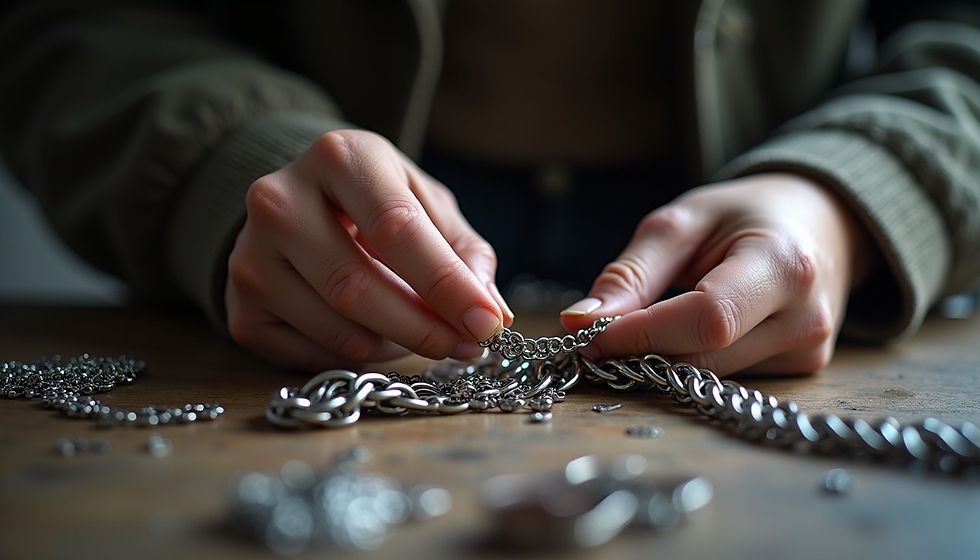
Eye-level view of a jeweller’s workspace filled with tools and metal rings used for chainmaille crafting.
Why I Recommend Handmade Jewellery UK
If you’re looking for quality handmade jewellery in the UK, you’re in luck. The scene here is vibrant and diverse. From bustling markets in London to quiet studios in the countryside, talented makers are creating stunning pieces every day.
One thing I love is how accessible it’s become. You don’t have to visit a physical shop to find amazing jewellery. Many artisans sell online, offering detailed photos and descriptions. This makes it easy to browse and buy from the comfort of your home.
For those who want something truly special, bespoke jewellery is a fantastic option. You can work directly with the maker to design a piece that fits your personality and style perfectly. Whether it’s a unique engagement ring or a gift for a loved one, this personal touch makes all the difference.

Making Handmade Jewellery Part of Your Life
Adding handmade jewellery to your collection isn’t just about style - it’s about embracing something meaningful. These pieces often become treasured keepsakes, passed down through generations or worn daily as a reminder of special moments.
Here are some ideas to enjoy your handmade jewellery even more:
Mix and match - Combine different textures and metals for a unique look.
Layer necklaces or bracelets - Create depth and interest with multiple pieces.
Care for your jewellery - Follow cleaning and storage tips to keep it looking fresh.
Gift with intention - Handmade jewellery makes thoughtful presents that show you care.
If you’re feeling inspired, why not try making your own? Even simple projects like beaded bracelets or wire-wrapped rings can be rewarding. Plus, it gives you a new appreciation for the skill involved.
Handmade jewellery in the UK is more than just accessories. It’s a celebration of creativity, tradition, and personal expression. Whether you’re buying or making, these pieces bring a little extra magic to everyday life. So go ahead - explore, discover, and wear your story with pride.


Comments